Bleeding Gums Treatment in Morton Grove
Causes, Treatment Options & Solutions for Healthier Gums
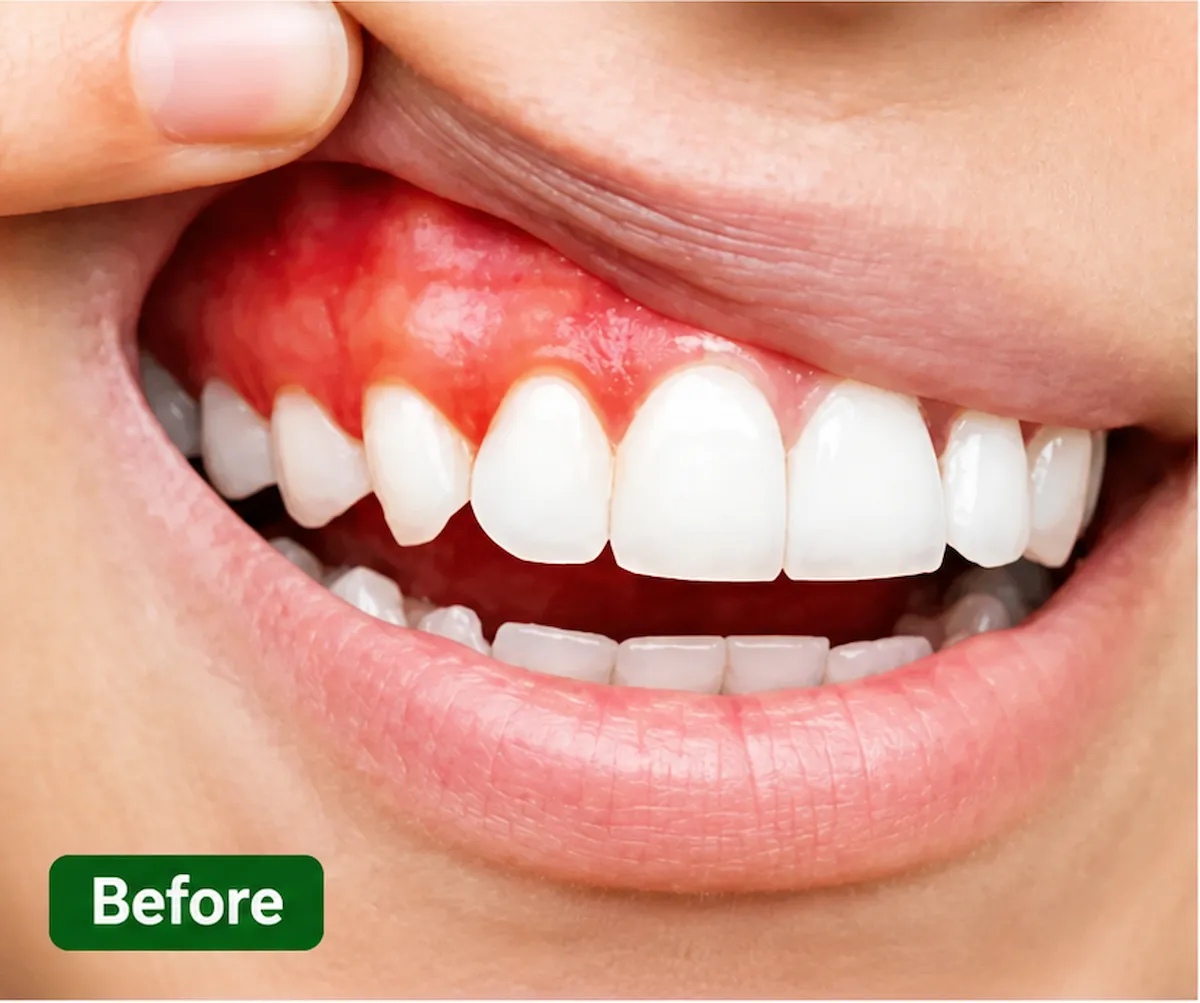
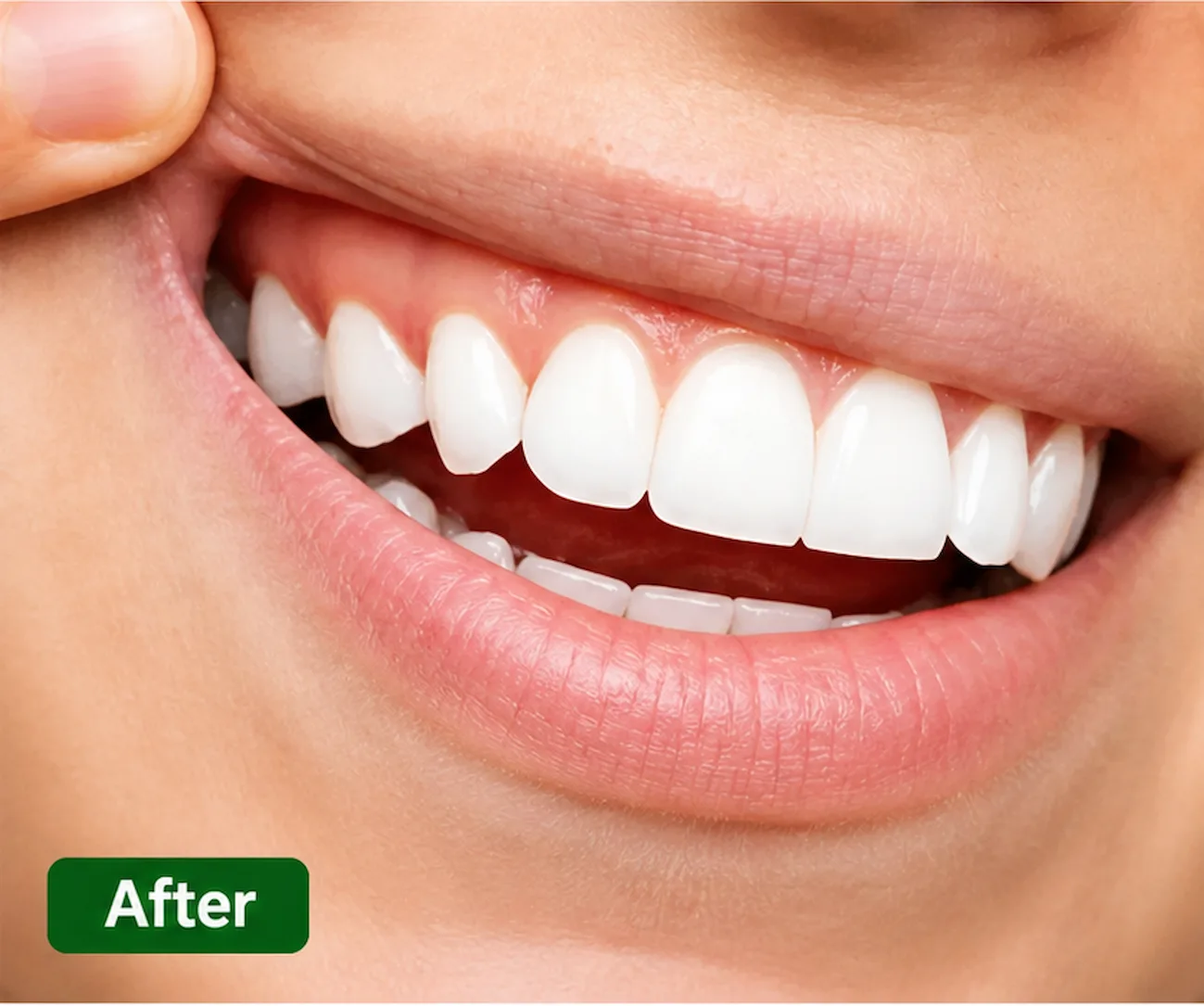
Signs of Gum Disease
- Bleeding gums
- Red, swollen, or tender gums
- Persistent bad breath
- Sensitive gums
- Shifting teeth
- Changes in the fit of dental appliances
Causes of Bleeding Gums
Bleeding gums are often caused by plaque and tartar buildup along the gumline. They may also be a warning sign of gingivitis, periodontitis, diabetes, vitamin deficiencies, or other health concerns.
If your gums bleed when brushing or flossing, schedule an evaluation so the cause can be diagnosed early.
Stages of Gum Disease
- Gingivitis: Early gum inflammation that can often be reversed with professional care and improved home hygiene.
- Periodontitis: Advanced gum disease that can damage the gums, bone, and supporting tissues around the teeth.
Preventing Bleeding Gums
Brush twice daily, floss once daily, and visit your dentist regularly for professional cleanings. Patients with a history of gum disease may need more frequent periodontal maintenance.
If you notice bleeding gums, early treatment can help prevent the problem from worsening.
▶ How to Prevent Gingivitis & Stop Bleeding Gums

Treatment for Bleeding Gums in Morton Grove
- Dental cleanings: Helpful for mild gingivitis and plaque buildup.
- Scaling and root planing: A deep cleaning that removes plaque and tartar below the gumline.
- ARESTIN® antibiotic therapy: Localized antibiotic treatment placed directly into infected gum pockets.
- Gum surgery: For advanced cases, we may coordinate care with a trusted local periodontist.
❇️ Michael’s Success Story
“I came to ProCare Family Dental because my gums were bleeding when I brushed. Dr. Danos diagnosed early gum disease and started me on a personalized treatment plan. After just a few visits, the bleeding stopped, and my gums feel healthier than ever.”
— Michael S., Skokie, IL ⭐⭐⭐⭐⭐
Bleeding Gums Frequently Asked Questions
❇️What causes bleeding gums?+
Common causes include plaque buildup, tartar, brushing too hard, gingivitis, gum disease, diabetes, vitamin deficiencies, and hormonal changes.
Regular bleeding should be checked by a dentist.
❇️Can vitamin deficiency cause bleeding gums?+
Yes. Vitamin C and vitamin K deficiencies can contribute to bleeding gums, but plaque and gum inflammation are still common causes. A dental exam helps determine the real source.
❇️What does it mean if my gums bleed often?+
Frequent bleeding usually means gum inflammation from plaque and bacteria. It may be an early warning sign of gum disease.
❇️Is it normal for gums to bleed when flossing?+
Occasional light bleeding can happen if you recently started flossing, but regular bleeding is not normal and may mean your gums are inflamed.
❇️How long does it take bleeding gums to heal?+
Mild gingivitis may improve within 1–2 weeks with proper brushing, flossing, and professional cleaning. Advanced gum disease usually needs deeper periodontal treatment.
❇️Can antibiotics treat bleeding gums?+
Sometimes. If infected gum pockets are present, our dentists may recommend a localized antibiotic such as ARESTIN® after deep cleaning.