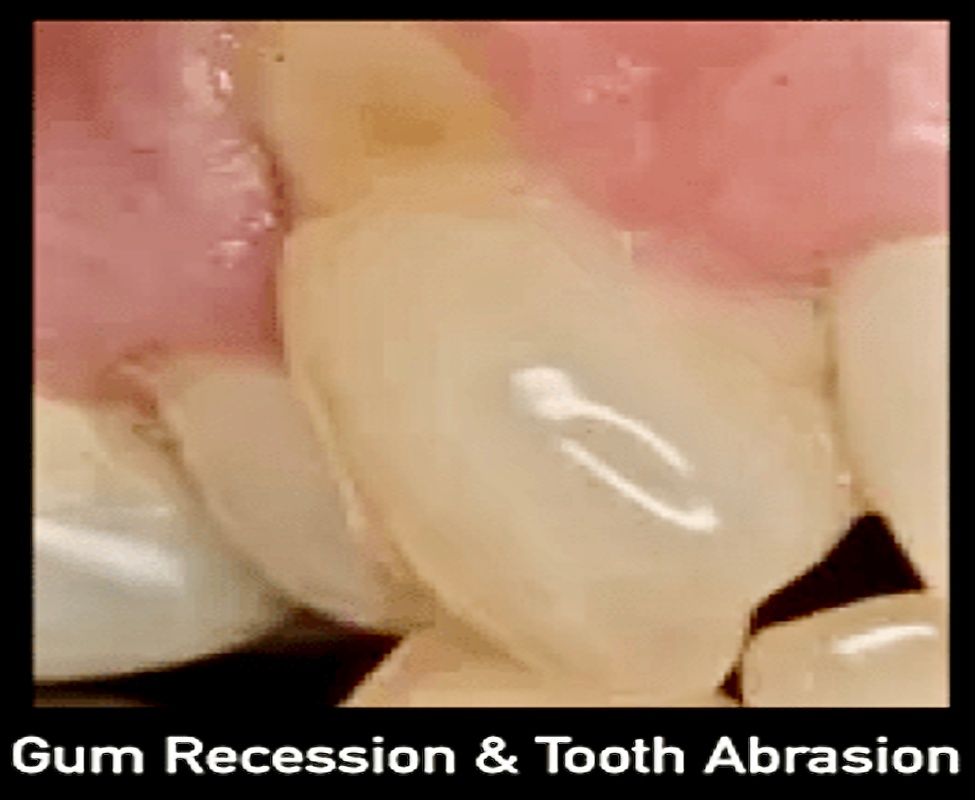
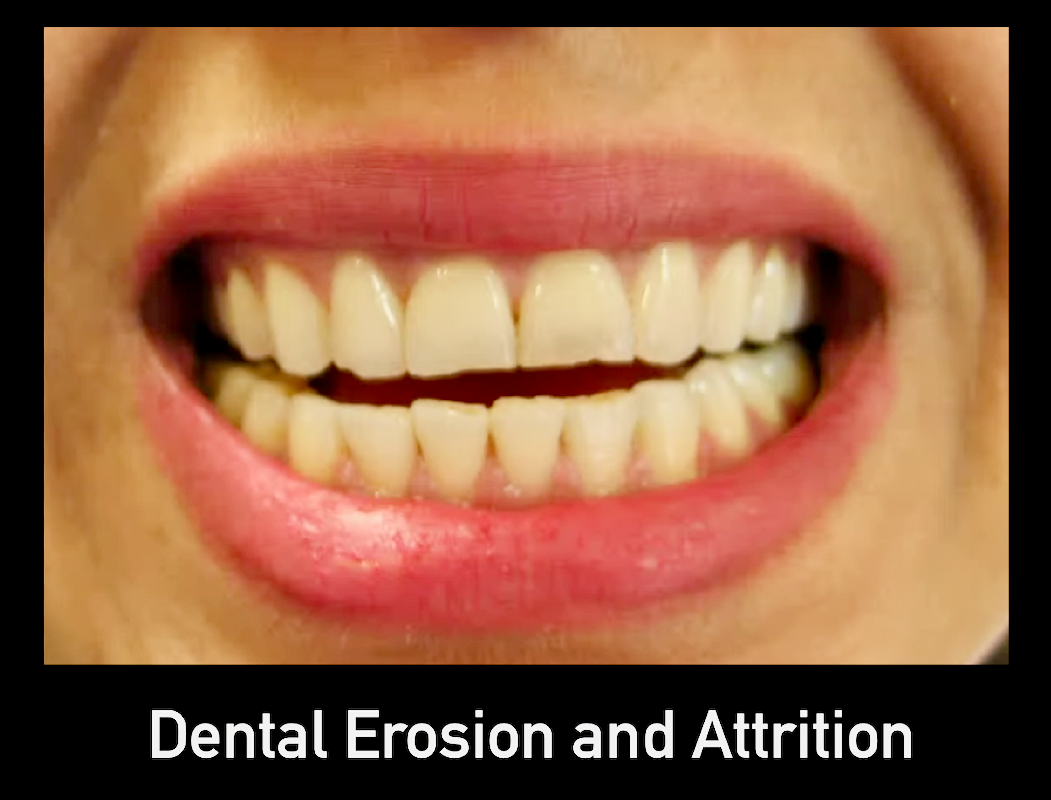
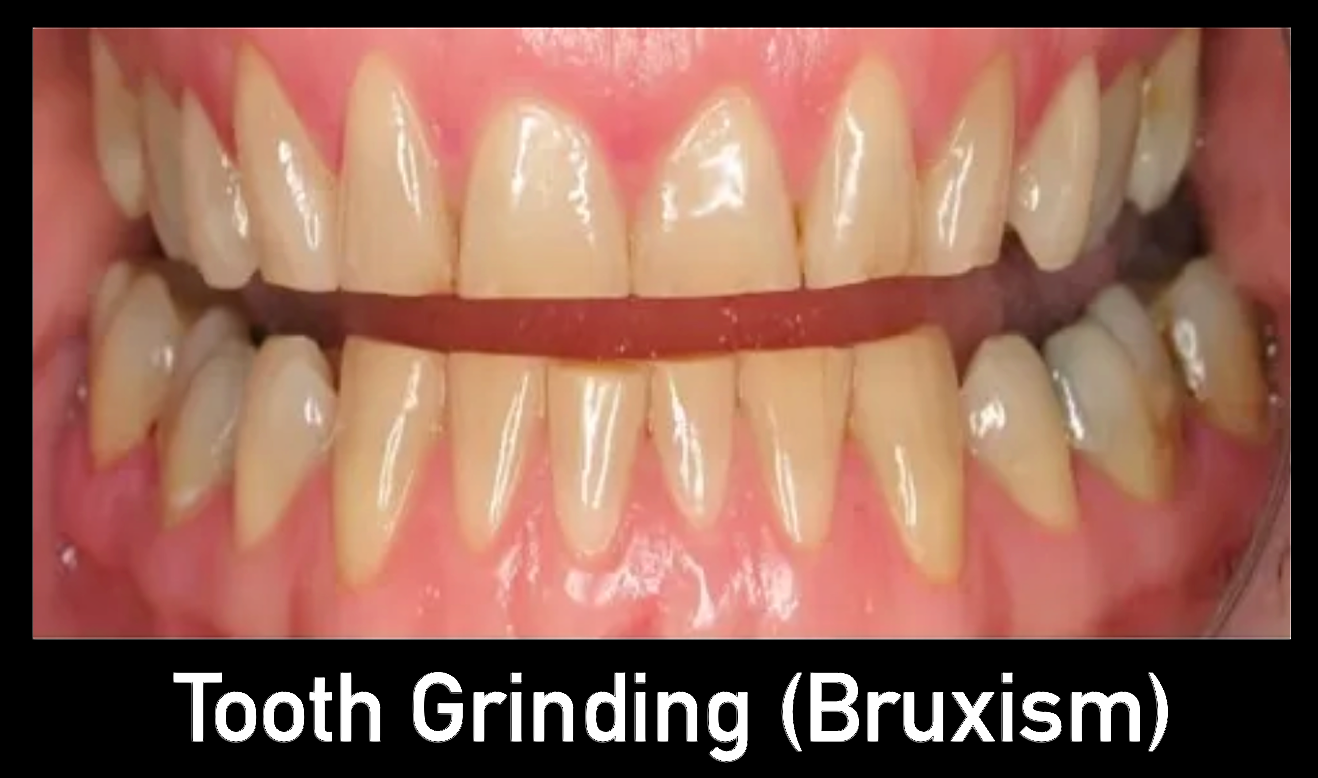
Tooth sensitivity happens when the protective enamel layer of your teeth wears down, exposing the dentin underneath. The enamel normally shields the tooth from bacteria and food particles. Once the dentin is exposed, tiny tubules allow temperature changes to reach the nerves inside the tooth, causing sensitivity to cold, hot, sticky, or acidic stimuli. This exposure can lead to nerve inflammation, resulting in dentin hypersensitivity.
Common Causes of Tooth Sensitivity
● Tooth Erosion: Frequent exposure to acids (from food, drinks, or stomach acids) can soften enamel, leading to sensitivity. ● Tooth Decay: Plaque buildup can weaken enamel and cause cavities, resulting in increased sensitivity. ● Gum Recession: Periodontal disease can erode gums, exposing tooth roots and heightening temperature sensitivity. ● Bruxism: Nighttime teeth grinding wears down enamel, exposing dentin and causing sensitivity. ● Post-Dental Treatment: Dental procedures, like crown placements, can temporarily increase sensitivity. By understanding these causes, individuals can take better care of their dental health and seek appropriate treatment for sensitivity issues.